
Blogs
TikTok Make Your Day: What It Means and Why It Matters

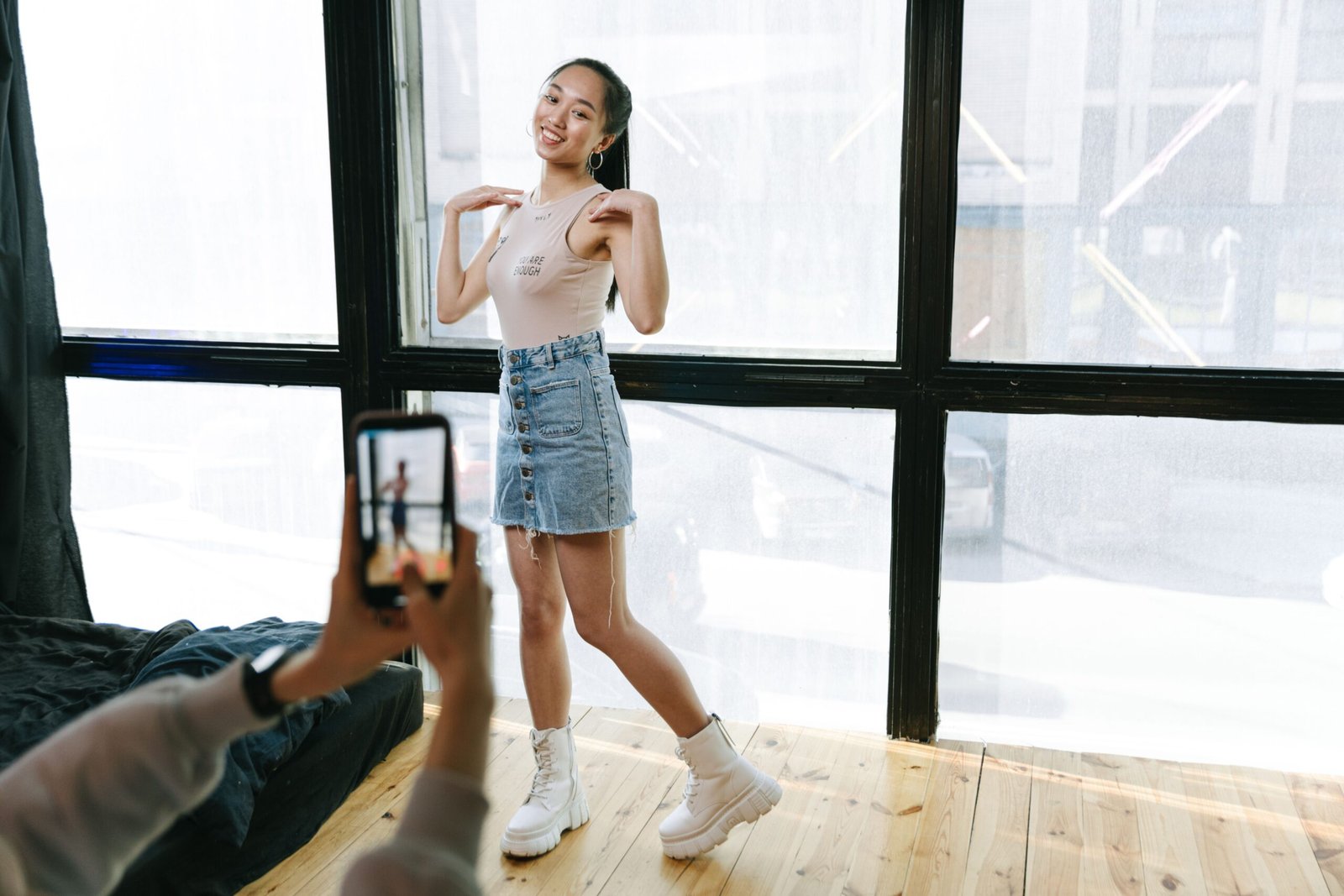
If you have ever opened TikTok and noticed the phrase “Make Your Day,” you may have wondered what it actually means and why those words are so closely associated with the platform. TikTok has become one of the world’s most recognizable short-form video platforms, offering everything from comedy and music to educational clips, cooking ideas, lifestyle content, sports, creative challenges, and personal stories. The phrase “Make Your Day” captures the idea behind that experience: opening TikTok should lead you toward entertaining, interesting, surprising, or inspiring content that fits your interests. TikTok itself has used “Make Your Day” on its official download page, while people involved in the development of the brand have described it as a tagline designed to communicate the platform’s lighthearted and feel-good identity.
The meaning of TikTok Make Your Day is therefore broader than a single button, feature, or setting. It is closely connected with the way TikTok presents content to users and the enormous variety of videos available on the platform. Someone might open TikTok looking for a funny video and discover a new comedian, while another person might be interested in recipes and quickly find cooking creators, and someone else might use the platform to discover music or learn a new skill. This ability to provide different experiences to different people is one of the reasons the phrase has become such a recognizable part of TikTok’s identity.
What Does TikTok Make Your Day Mean?
TikTok Make Your Day essentially means that TikTok aims to provide an entertaining and personalized experience that can add something positive or interesting to a person’s day. The phrase is associated with TikTok’s brand identity rather than being the name of a separate technical feature that users need to activate. Historical material about the development of the TikTok brand describes “Make Your Day” as a tagline intended to capture the platform’s wholesome, lighthearted spirit and its collection of authentic, everyday videos.
The expression also reflects the broad nature of TikTok content. A “day-making” video does not necessarily have to be a professional production or a major viral event. It could be a short comedy clip that makes someone laugh, a useful tutorial that solves a problem, a creative performance, an inspiring story, a fascinating fact, a clever editing idea, or a simple moment that viewers find relatable. This is important because TikTok’s appeal is not limited to one category of entertainment. Its enormous range of creators allows users to encounter content that matches their existing interests while also discovering subjects they may not have searched for themselves.
Why Is “Make Your Day” Associated With TikTok?
The phrase became closely connected with TikTok because it communicates the type of experience the platform wanted to represent. Rather than presenting itself simply as a place where people upload videos, the branding emphasizes what happens to the viewer when they use the platform. The concept is about discovery, entertainment, creativity, and the small moments that can improve someone’s mood or introduce them to something new. Brand-development material describing the campaign says the tagline was created to capture the experience of TikTok as a viewer and the diverse collection of videos appearing on the platform.
This idea is particularly relevant to TikTok because the platform is built around discovering content rather than simply checking updates from people a user already knows. The experience can move quickly from one subject to another, allowing a viewer interested in one topic to unexpectedly encounter something completely different. A person might begin by watching a music video and then encounter a travel recommendation, a comedy sketch, a technology tip, a recipe, or an educational explanation. That element of unexpected discovery is an important part of what makes the “Make Your Day” concept fit TikTok so well.
How TikTok Content Can Make Your Day
There are many different ways TikTok content can provide value or entertainment. Comedy is one obvious example, with creators producing sketches, reactions, observations, parodies, and short humorous situations designed to make viewers laugh. Music is another major part of the platform, with songs and sounds frequently becoming associated with trends, challenges, dances, edits, and other forms of user-generated creativity. Educational creators can use short videos to explain history, science, technology, language, business, cooking, fitness concepts, and countless other subjects. The result is an environment where “making your day” can mean something different to every viewer.
TikTok can also introduce people to creators they would not otherwise discover. A creator does not necessarily need to be famous before appearing in front of a large audience. A simple, creative, relatable, or particularly useful video can attract attention and encourage people to explore the creator’s other content. This gives the platform a strong discovery component and helps explain why users can develop entirely different experiences based on the types of videos they watch and interact with.
TikTok Make Your Day and Personalized Content
One of the most important ideas behind the TikTok experience is personalization. When users interact with videos, their behavior can help determine the types of content they are shown. Watching certain subjects, interacting with creators, skipping videos, and exploring particular topics can influence the content that becomes more relevant to an individual viewer. This means that two people can open TikTok at the same time and encounter very different collections of videos.
That personalization helps explain why TikTok Make Your Day can mean something different for different people. For one user, the experience may revolve around comedy and entertainment. For another, it may focus heavily on cooking, fashion, gaming, sports, travel, education, or music. The platform’s wide range of content means that the phrase does not describe one universal type of video. Instead, it represents the possibility of discovering content that feels relevant to the individual viewer.
The Role of TikTok Creators
Creators are central to the meaning of TikTok Make Your Day because they produce the videos that make the platform interesting. TikTok’s own community messaging has emphasized creativity, inspiration, collaboration, reactions, and sharing memorable moments. A creator might spend considerable time developing an entertaining series, while another may simply record a useful tip or an everyday moment that unexpectedly connects with viewers.
The most successful creators often understand that TikTok viewers want something quickly understandable and engaging. A strong opening, clear subject, good pacing, authentic presentation, and an idea that provides entertainment or value can all help a video hold attention. However, there is no single formula guaranteeing that a video will become viral. TikTok trends change quickly, audiences have different interests, and the performance of individual videos can vary considerably.
TikTok Trends and Viral Videos
TikTok trends are another major part of the TikTok Make Your Day experience. Trends can involve sounds, songs, dances, jokes, editing techniques, challenges, memes, storytelling formats, or recurring ideas that creators adapt to their own style. A trend can begin with one video and then inspire thousands of variations from people around the world.
The interesting part of TikTok trends is that users do not always need to reproduce an original idea exactly. Creators frequently add their own personality or interpretation, which can turn a simple trend into something completely different. This combination of recognizable formats and individual creativity helps keep the platform dynamic. A viewer who returns to TikTok regularly may see familiar trends evolve into new formats over time.
How to Make Your Own TikTok Experience Better
If your goal is to make TikTok genuinely more enjoyable, one of the simplest approaches is to actively shape the type of content you want to see. Follow creators whose content you consistently enjoy, interact with videos that are useful or entertaining, and move past content that does not interest you rather than spending time engaging with it. You can also explore different topics deliberately instead of relying only on whatever appears immediately in your feed. Over time, your interactions can help create a viewing experience that is more closely aligned with your interests.
It is also useful to remember that TikTok is best enjoyed with balance. Short videos can be entertaining and informative, but endless scrolling can also consume more time than expected. Setting reasonable limits, taking breaks, and being selective about the accounts and subjects you follow can help keep the experience positive. The idea behind “Make Your Day” works best when TikTok is adding entertainment, creativity, information, or inspiration to your day rather than becoming an unwanted distraction.
Is TikTok Make Your Day a Separate TikTok Feature?
No, TikTok Make Your Day is generally understood as a branding phrase or tagline rather than a separate feature that users need to activate. TikTok’s official download page has used the wording “Download TikTok – Make Your Day,” while campaign material describes “Make Your Day” as a tagline associated with the platform’s brand identity.
This distinction is important because people searching for “TikTok Make Your Day” may sometimes expect to find a particular setting, button, or application mode. In most contexts, the phrase is describing TikTok’s broader brand message and the type of experience the platform wants users to associate with its content.
Why the Phrase Remains Relevant
The phrase remains relevant because it is simple and closely connected with the reason people use entertainment platforms in the first place: they want to discover something enjoyable, interesting, useful, or memorable. TikTok’s enormous variety of content makes the phrase flexible enough to cover many different types of experiences. A person does not need to watch the same category of videos every day for TikTok to feel entertaining.
The phrase also reflects the importance of small moments. A short video may only last a few seconds, yet it can make someone laugh, teach them something, introduce them to a song, give them a recipe idea, or inspire them to try a new activity. Those small discoveries are part of what has helped short-form video become such an influential form of digital entertainment.
TikTok Make Your Day for Creators and Brands
The idea can also be useful for creators and businesses thinking about how they communicate on TikTok. Instead of concentrating exclusively on selling something, creators and brands can think about what they are giving the viewer. Is the video entertaining? Does it answer a question? Does it provide an interesting idea? Does it demonstrate something useful? Does it tell a compelling story? Content that provides a clear reason for someone to keep watching is more likely to feel valuable than content that simply promotes a product or service.
TikTok’s advertising materials have also used “MAKE YOUR DAY” in examples of in-feed advertising and promotional creative, showing how the phrase can operate within the platform’s broader marketing environment. For businesses, this reinforces the importance of creating content that feels native to the platform rather than treating every video as a traditional advertisement.
Tips for Creating TikTok Videos That People Enjoy
Creators who want to contribute to the “Make Your Day” experience should start with a clear idea. Viewers should quickly understand what the video is about and why it is worth watching. Good lighting and understandable audio can improve the viewing experience, but expensive equipment is not always necessary. Authenticity, creativity, useful information, humor, and storytelling can be more important than having a highly produced setup.
Another useful approach is to study trends without becoming completely dependent on them. Trends can help creators participate in conversations that already have audience interest, but simply copying another video may not give viewers a reason to follow a new account. Adding an original perspective, personal experience, unexpected joke, useful explanation, or creative twist can make familiar formats feel fresh.
Conclusion
TikTok Make Your Day is best understood as a phrase that captures TikTok’s goal of providing an entertaining, creative, and discovery-driven experience. It is not simply the name of a particular TikTok tool or setting. Instead, “Make Your Day” has been used as part of TikTok’s brand identity and reflects the idea that everyday videos can entertain, inspire, educate, surprise, or connect people. TikTok’s official download materials continue to use the phrase, while historical campaign material explains how it was developed to communicate the platform’s lighthearted and authentic character.
Whether someone uses TikTok for comedy, music, education, recipes, gaming, travel, lifestyle content, or viral trends, the underlying concept remains similar: discovering something that feels worthwhile in the moment. By following interesting creators, engaging thoughtfully with useful content, exploring new subjects, and maintaining a healthy balance with screen time, users can shape a TikTok experience that is genuinely more enjoyable. In that sense, TikTok Make Your Day is not just a memorable phrase—it summarizes the platform’s larger promise of discovering something new every time you scroll.
Frequently Asked Questions About TikTok Make Your Day
What does TikTok Make Your Day mean?
TikTok Make Your Day is a phrase associated with TikTok’s brand identity. It expresses the idea that TikTok can provide entertaining, creative, inspiring, or interesting content that improves the viewer’s experience. TikTok has used “Make Your Day” on its official download page.
Is TikTok Make Your Day a feature?
Generally, no. “Make Your Day” is a branding phrase or tagline rather than a separate feature that users need to turn on. It describes the experience and identity TikTok wants to communicate.
Why does TikTok use the phrase Make Your Day?
The phrase was developed to communicate TikTok’s lighthearted, authentic, and entertaining character. Campaign material about the brand describes the tagline as capturing the experience of watching diverse videos and encountering moments that can improve your mood.

Anne Hathaway is one of the most recognizable American actresses of her generation, known for her versatility, memorable performances, and ability to move between romantic comedies, dramatic films, musicals, and major Hollywood productions. From her breakthrough performance in The Princess Diaries to her Academy Award-winning role in Les Misérables, Hathaway has developed a career that extends far beyond the image of a young actress playing a fairytale princess. Her filmography includes characters with different personalities, professional backgrounds, emotional struggles, and personal ambitions, demonstrating her willingness to explore a wide range of stories. Searches for Anne Hathaway’s on-screen appearances often reflect curiosity about her film roles, fashion, and more mature performances, making it important to understand the difference between scenes created for a particular production and material circulated without proper context. Examining her career through the lens of acting, filmmaking, and public image provides a more complete picture of the performer and the choices that have shaped her reputation.
Anne Hathaway’s journey from young actress to Hollywood star
Anne Hathaway was born on November 12, 1982, in Brooklyn, New York, and began developing her interest in performance at an early age. Her early television work helped introduce her to audiences, but her breakthrough arrived with the 2001 Disney film The Princess Diaries. In the movie, she played Mia Thermopolis, an ordinary teenager who discovers that she is the heir to a European throne. The role introduced Hathaway to a broad audience and established her as a recognizable young performer. The film’s appeal came from its combination of humor, family relationships, personal growth, and the familiar fairytale idea of an unexpected transformation. Hathaway’s performance gave Mia a relatable personality, allowing viewers to connect with the character’s awkwardness, uncertainty, and gradual confidence. Although the film helped establish an early public image associated with family entertainment, it also provided the foundation for a career that would later include challenging dramatic roles and sophisticated adult characters.
As Hathaway’s career progressed, she began accepting projects that differed substantially from her early family-oriented work. Her performances in films such as Brokeback Mountain and Havoc demonstrated a willingness to explore more complex material, while The Devil Wears Prada introduced her to another major audience. In the latter film, she played Andy Sachs, an aspiring journalist who takes a job at a demanding fashion magazine. The character’s professional development, changing wardrobe, and complicated relationship with ambition made the film particularly memorable. Hathaway’s performance balanced humor with the pressures of working in a competitive environment, while the production’s costumes and visual presentation became central to its identity. This period demonstrated that she could move beyond the expectations created by her earliest roles and build a career around characters with different motivations and experiences.
Understanding Anne Hathaway’s mature film roles
Hathaway’s transition into mature roles is an important part of understanding her career. Actors regularly take on characters whose experiences, relationships, and circumstances differ from their own, and films may include romantic situations, emotional vulnerability, or scenes involving partial nudity when these elements serve the story. Such appearances should be understood within the context of the production, including the character’s circumstances, the director’s intentions, and the film’s overall themes. Hathaway’s work in Brokeback Mountain, Havoc, and Love & Other Drugs illustrates how her performances have extended beyond the family-friendly image associated with her earliest success. These films belong to different genres and explore different subjects, so their content should not be treated as interchangeable or reduced to a single physical characteristic. For readers researching mature scenes in Hathaway’s filmography, the most informative approach is to identify the specific production, understand the role she played, and consult legitimate film descriptions and age ratings.
It is also important to distinguish between an actor’s professional performance and the way individual images may circulate online. A still photograph from a film, a promotional image, an editorial fashion photograph, and an altered image can have very different origins and meanings. Search results do not always make those distinctions clear, particularly when sensational descriptions are used to attract attention. A responsible article should avoid presenting unverified images as authentic, implying that a photograph comes from a particular production without evidence, or treating a performer’s professional work as permission to distribute private material. Context matters because images can be cropped, edited, miscaptioned, or separated from the story in which they originally appeared. For readers, checking the original film, official promotional materials, or reputable entertainment publications is a more dependable way to establish what an image actually represents.
The significance of The Devil Wears Prada
Released in 2006, The Devil Wears Prada became one of Hathaway’s defining films. She played Andy Sachs, a recent graduate who accepts a position as an assistant to Miranda Priestly, the formidable editor of a fashion magazine. The story examines ambition, workplace expectations, personal identity, and the compromises people sometimes make while pursuing professional success. Hathaway’s character begins the film with little interest in the fashion industry, but her experiences gradually change her understanding of appearance, status, and career advancement. The transformation is communicated partly through clothing, styling, and visual presentation, making fashion an essential storytelling device rather than merely a decorative element. The film remains closely associated with Hathaway because it combines her comedic timing with a character whose professional and personal priorities evolve throughout the narrative.
The movie also demonstrates how costume design can influence public perceptions of an actor. Andy’s changing appearance is an important part of the story, but the character’s development involves much more than clothing. Her relationship with her colleagues, her growing responsibilities, and her decisions about work and personal life all contribute to the narrative. Hathaway’s performance allows the character to remain recognizable even as her circumstances change. This balance between visual transformation and character development helps explain why the film continues to attract viewers interested in fashion, acting, and workplace stories. For an article about Hathaway’s screen presence, it offers a strong example of how wardrobe, dialogue, performance, and direction work together to create a memorable cinematic character.
Anne Hathaway’s award-winning performance in Les Misérables
Another defining moment in Hathaway’s career came with the 2012 musical drama Les Misérables, in which she portrayed Fantine. The character faces poverty, exploitation, and difficult personal circumstances in a story centered on injustice, sacrifice, and survival. Hathaway’s performance required her to communicate intense emotion while also participating in the film’s musical storytelling. Her portrayal received widespread recognition, and she won the Academy Award for Best Supporting Actress. The role illustrated a different dimension of her abilities, emphasizing emotional depth, vocal performance, and the physical demands of portraying a character undergoing severe hardship. Rather than relying on glamour or a familiar star persona, Hathaway’s work was shaped by the needs of the character and the themes of the production.
The film also demonstrates why discussions of an actor’s appearance should not overshadow the broader elements of a performance. Hair, makeup, costume, lighting, and physical presentation can all contribute to a character’s circumstances, but they are only part of the filmmaking process. In Les Misérables, these elements helped establish Fantine’s changing situation and supported the emotional progression of the story. Hathaway’s work was recognized because of the performance as a whole, including its dramatic and musical components. For readers exploring her filmography, the movie provides a meaningful example of how an actor’s commitment to a role can influence the audience’s understanding of a fictional character.
Anne Hathaway’s fashion and public image
Outside her film roles, Hathaway is frequently discussed in connection with red-carpet fashion, magazine photography, and major entertainment events. Her public appearances feature a range of styles, from elegant evening gowns to contemporary designer outfits, reflecting the influence of stylists, fashion houses, photographers, and event-specific dress codes. Celebrity fashion coverage often focuses on clothing, accessories, makeup, and overall presentation, but these images are also carefully produced editorial material. The final photograph may involve professional styling, lighting, posing, and post-production, so it should not automatically be interpreted as an unfiltered representation of everyday life. Hathaway’s fashion appearances are best understood as part of the broader relationship between entertainment, celebrity culture, and the fashion industry.
Her public image has also evolved as her career has developed. Early audiences often associated her with youthful, optimistic characters, while later projects introduced more varied performances and a broader range of public appearances. The contrast between those stages illustrates how an actor’s professional identity can change over time. Public discussion of celebrities sometimes places disproportionate emphasis on appearance, but a more complete understanding considers the projects they choose, the characters they portray, the collaborators they work with, and the contributions they make to the entertainment industry. Hathaway’s career offers examples of all these dimensions, making her filmography and public appearances useful subjects for a detailed entertainment article.
Finding accurate information about Anne Hathaway’s film appearances
Readers researching specific scenes or photographs should begin by identifying the film, television production, interview, or editorial in which the material originally appeared. Reputable film databases, official studio pages, established entertainment publications, and the productions themselves can help establish titles, release dates, cast information, and scene context. When a search result makes a dramatic claim but provides no reliable source, it is sensible to treat that claim cautiously. The same applies to images that have been separated from their original captions or presented without information about their source. An accurate article should not claim that an image is genuine simply because it appears in search results, and it should not imply that a scene exists in a particular version of a film without verification.
This approach also improves the quality of online content. Readers benefit from articles that answer their questions directly, explain relevant context, and distinguish confirmed information from speculation. Publishers can support that goal by using descriptive headings, linking to authoritative references, and avoiding misleading titles or unsupported claims. In the case of a well-known actor such as Hathaway, the amount of material available online makes careful sourcing particularly important. A reliable discussion of her work can cover mature film roles, fashion photography, and public appearances without confusing professional material with private content or unverified online images.
Conclusion
Anne Hathaway’s career demonstrates how an actor can move from a widely recognized early role into a diverse body of work spanning comedy, drama, musicals, action, and romantic films. Her performances in The Princess Diaries, The Devil Wears Prada, Les Misérables, Interstellar, and other productions reveal different aspects of her abilities and illustrate the importance of character, direction, costume, and storytelling. Interest in her on-screen appearances should be considered within this broader professional context, with particular attention to the distinction between legitimate film scenes, editorial photography, and material that may be misrepresented online. For readers who want to learn more about Hathaway, exploring her filmography and the context of her performances provides a more informative perspective than relying on sensational search descriptions. A well-researched article can satisfy curiosity while remaining accurate, respectful, and useful.
4. Frequently asked questions (FAQs)
1. Who is Anne Hathaway?
Anne Hathaway is an American actress known for films including The Princess Diaries, The Devil Wears Prada, Les Misérables, The Dark Knight Rises, and Interstellar. She has received major awards for her acting, including an Academy Award for Les Misérables.
2. Which Anne Hathaway movies are most well-known?
Some of her best-known films include The Princess Diaries (2001), The Devil Wears Prada (2006), Rachel Getting Married (2008), The Dark Knight Rises (2012), Les Misérables (2012), and Interstellar (2014).
3. Has Anne Hathaway appeared in mature films?
Yes. Hathaway has appeared in films intended for mature audiences, including Havoc, Brokeback Mountain, and Love & Other Drugs. The content and context vary by production.
4. Why do people search for Anne Hathaway’s on-screen appearances?
People may be researching her filmography, particular scenes, acting choices, fashion, or the differences between her early family films and later adult roles. Specific searches should be evaluated against reliable information about the relevant production.
5. Did Anne Hathaway win an Academy Award?
Yes. She won the Academy Award for Best Supporting Actress for her portrayal of Fantine in Les Misérables (2012).
6. Where can readers find reliable information about Anne Hathaway’s movies?
Readers can consult established film databases, official studio websites, reputable entertainment publications, and the original films. These sources can help verify credits, release dates, and the context of particular scenes.
7. How can an article about Anne Hathaway be optimized for Google?
Use a descriptive title, a clear introduction, relevant subheadings, accurate information, and naturally placed keywords. Include an FAQ section that answers genuine reader questions, cite trustworthy sources, and avoid misleading claims or excessive keyword repetition.
5. SEO meta description
Anne Hathaway’s film career spans The Princess Diaries, The Devil Wears Prada, and Les Misérables. Explore her notable roles, on-screen transformations, fashion, and public image.
6. Suggested URL slug
anne-hathaway-movies-film-roles-and-career
7. Recommended internal links
Anne Hathaway’s complete movie timeline
The story and legacy of The Devil Wears Prada
Academy Award-winning performances in Les Misérables
The evolution of celebrity red-carpet fashion
How costume design transforms movie characters
8. Reliable sources for research
Biography.com — Anne Hathaway’s biography and career
Rotten Tomatoes — Anne Hathaway’s filmography
IMDb — Anne Hathaway’s acting credits
CAA — Anne Hathaway’s professional biography


Anne Hathaway: Career, Iconic Roles, On-Screen Style, and Public Image

Hyundai Ioniq 5 EV: Complete Guide to Range, Charging, Performance and Features

Macan Electric: Everything You Need to Know About Porsche’s Electric SUV

Epic Seven Speed Imprint Characters: Complete Guide to Every Speed Imprint Hero

10km to Miles: Easy Conversion Formula, Calculator, and Real-Life Examples

Epic Seven Characters: Complete Guide to Every Hero, Classes, Roles, Elements, and the Best Characters
 Blogs4 months ago
Epic Seven Speed Imprint Characters: Complete Guide to Every Speed Imprint Hero
- Sports4 months ago
10km to Miles: Easy Conversion Formula, Calculator, and Real-Life Examples
- Blogs4 months ago
Epic Seven Characters: Complete Guide to Every Hero, Classes, Roles, Elements, and the Best Characters
- Online Earning4 months ago
How to Sell on Amazon for Beginners: Your Complete 2026 Step-by-Step Guide
- Blogs4 months ago
Fundraisers Easy: 25 Easy Fundraiser Ideas That Actually Work for Schools, Sports Teams, Charities, and Community Groups
- Online Earning4 months ago
How Much Do YouTubers Make Per 1,000 Views in 2026? The Complete Earnings Guide
- Sports4 months ago
Birmingham City FC: Complete Guide to History, Stadium, Owners, Players, and Future
- Sports4 months ago
10K Marathon Miles: How Many Miles Is a 10K Race? Complete Distance Guide