
Blogs
MET Live in HD: A Complete Guide to the Metropolitan Opera’s Cinema Experience

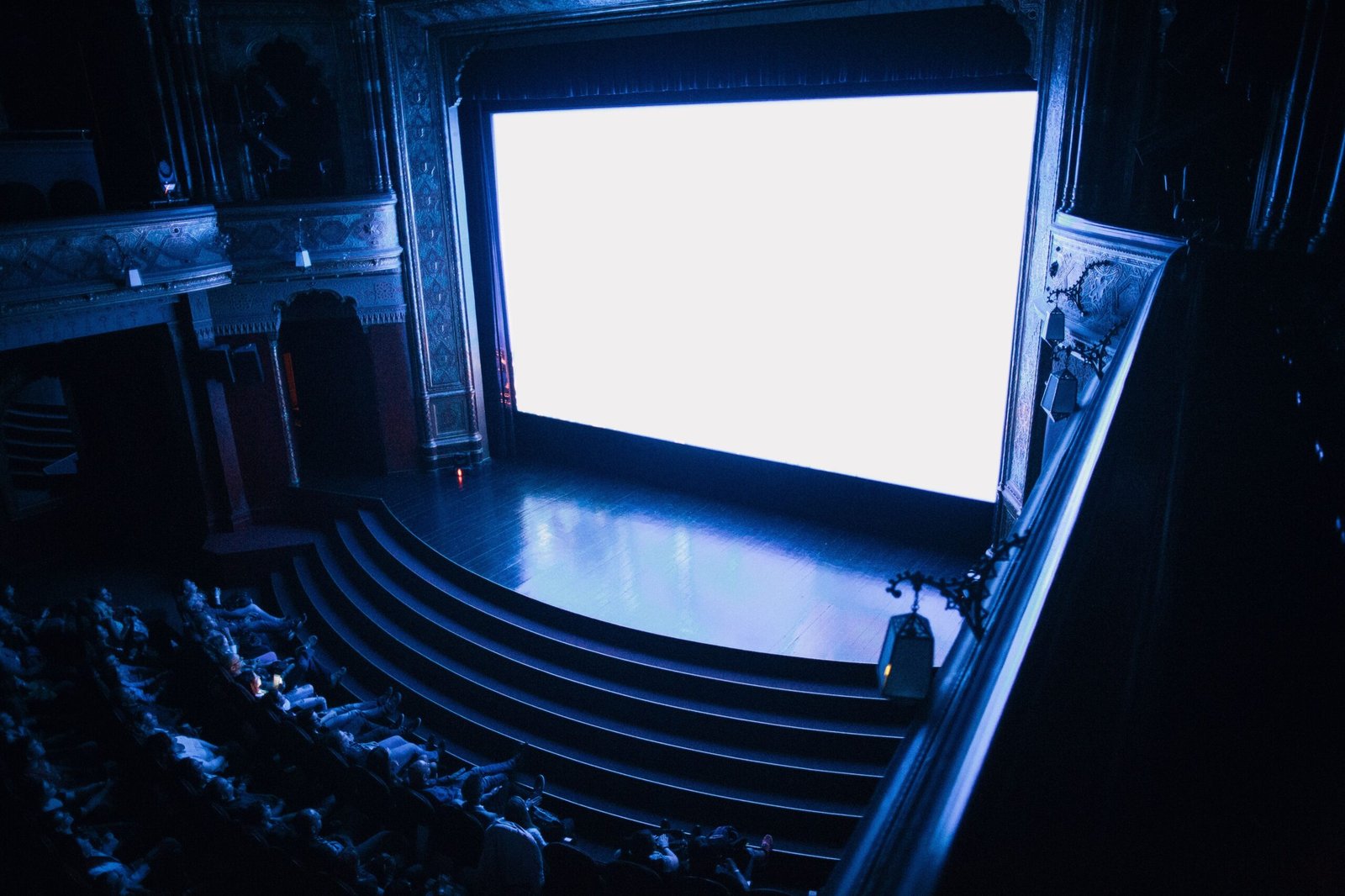
MET Live in HD has transformed the way audiences experience opera by bringing performances from the Metropolitan Opera in New York City to movie theaters and other participating venues around the world. Instead of traveling to New York to attend a performance inside the opera house, viewers can experience productions on a cinema screen, with high-definition presentation and the opportunity to appreciate the performers, orchestra, costumes, sets, and dramatic details from a different perspective. The program, officially known as The Met: Live in HD, connects opera lovers with internationally recognized productions while also introducing the art form to people who may never have attended a traditional opera performance. Whether you are a longtime opera enthusiast, a student interested in classical music, or a newcomer curious about theatrical performances, MET Live in HD offers a way to explore opera in a familiar cinema environment.

As the series enters its 20th-anniversary season in 2026–27, interest in MET Live in HD continues to provide an opportunity for audiences to discover both established operatic masterpieces and newer productions. Understanding how the program works, what performances are included, how tickets are purchased, and how to find participating theaters can help viewers plan their experience. This guide explains the essential details of MET Live in HD, explores its viewing experience, highlights the announced 2026–27 schedule, and answers common questions for anyone considering attending a screening.
What Is MET Live in HD?
The Met: Live in HD is a cinema transmission series created by the Metropolitan Opera. It presents performances from the company’s stage in New York to participating movie theaters and other venues internationally. Rather than being a conventional film adaptation of an opera, a live transmission allows audiences to follow a performance taking place at the opera house while watching it in a cinema. The series launched in December 2006 and has developed into an international cultural program, expanding access to opera for people who may live far from a major opera company or prefer the convenience of a local theater. The Metropolitan Opera describes the series as a way to bring its productions directly to cinema audiences around the globe.
A central feature of the experience is the combination of live performance and cinema presentation. Viewers can see singers performing on stage, follow the orchestra and dramatic action, and experience the production through the theater’s large screen and sound system. Some presentations also include hosted segments and behind-the-scenes features that provide background on the opera, its performers, and the production team. These elements can be especially helpful for audiences who want to understand the story and creative choices behind a performance, although the precise content and format may vary by screening and season.
How Does the MET Live in HD Experience Work?
A typical MET Live in HD event begins with a scheduled transmission from the Metropolitan Opera. Participating cinemas receive the presentation and show it to audiences in their theaters. Many screenings take place on Saturdays, reflecting the program’s scheduled matinee transmissions, although local screening dates and times can vary depending on the country, theater, and whether the event is a live presentation or an encore. The cinema setting means that audiences can watch a major opera production without needing to arrange travel to New York, while still experiencing the staging, music, and performers as part of a shared event.
For viewers, the experience can be different from watching a recording at home. A cinema offers a large screen, a dedicated sound system, and an audience gathered for the same performance. Camera presentation can also make facial expressions, costume details, and stage activity easier to notice than they might be from a distant seat in a large opera house. The program is therefore relevant not only to established opera fans but also to people who enjoy live theater, classical music, cinema events, or cultural programming. The exact viewing experience depends on the venue and the production, so checking the theater’s event information before purchasing a ticket is a useful step.
MET Live in HD 2026–27 Schedule


The 2026–27 season marks the 20th anniversary of The Met: Live in HD. The Metropolitan Opera has announced eight live cinema transmissions, three encore presentations, and a special anniversary program. The lineup includes works by Mozart, Verdi, Saint-Saëns, Puccini, Kevin Puts, Massenet, and Wagner, offering a mixture of familiar operatic repertoire and new productions. All listed live transmission times below are in Eastern Time, and international encore dates can vary.
Date | Opera or presentation | Composer |
|---|---|---|
September 19, 2026 | Twenty Years of the Met in Cinemas: An Anniversary Celebration | Special presentation |
October 3, 2026 | Così fan tutte | Wolfgang Amadeus Mozart |
October 17, 2026 | Macbeth | Giuseppe Verdi |
November 14, 2026 | Carmen — encore | Georges Bizet |
December 5, 2026 | Samson et Dalila | Camille Saint-Saëns |
December 12, 2026 | The Magic Flute — encore | Wolfgang Amadeus Mozart |
January 23, 2027 | La Fanciulla del West | Giacomo Puccini |
March 20, 2027 | Silent Night | Kevin Puts |
April 3, 2027 | Manon | Jules Massenet |
April 24, 2027 | Otello | Giuseppe Verdi |
May 8, 2027 | Tosca — encore | Giacomo Puccini |
June 5, 2027 | Parsifal | Richard Wagner |
Schedule announced by the Metropolitan Opera. Confirm local dates and times with the participating cinema before attending.
Highlights of the 2026–27 MET Live in HD Season
Così fan tutte by Wolfgang Amadeus Mozart
The season’s first live opera transmission is Mozart’s Così fan tutte, scheduled for October 3, 2026. The opera is a comedy involving two couples, romantic misunderstandings, and a test of fidelity. The Met’s production, directed by Phelim McDermott, uses a 1950s Coney Island-inspired setting, bringing a distinctive visual atmosphere to Mozart’s music. The announced cast includes Federica Lombardi as Fiordiligi, Samantha Hankey as Dorabella, Duke Kim as Ferrando, and Andrey Zhilikhovsky as Guglielmo. For audiences exploring opera for the first time, the combination of comedy, recognizable relationship themes, and lively stage action can provide an accessible introduction to the genre.
Macbeth by Giuseppe Verdi
Verdi’s Macbeth, scheduled for October 17, 2026, brings Shakespeare’s tragedy to the opera stage. The story follows Macbeth and Lady Macbeth as ambition, political violence, guilt, and supernatural elements shape their fate. The Met’s announced new production is directed by Louisa Proske, with Quinn Kelsey as Macbeth and Lise Davidsen as Lady Macbeth. Yannick Nézet-Séguin conducts. The work combines dramatic storytelling with Verdi’s intense musical writing, making it a notable part of the season for viewers interested in Shakespeare adaptations and serious operatic drama.
Samson et Dalila by Camille Saint-Saëns
Scheduled for December 5, 2026, Samson et Dalila draws on the biblical story of Samson and Delilah. Its themes include attraction, betrayal, strength, and conflict, while the score features music that has become well known beyond opera audiences. The Met’s 2026–27 presentation features mezzo-soprano Aigul Akhmetshina as Dalila and tenor Clay Hilley as Samson, with Giacomo Sagripanti conducting. The production’s large-scale staging and musical contrasts make it an opportunity for cinema audiences to encounter a work that blends personal drama with a broader historical and religious setting.
La Fanciulla del West by Giacomo Puccini
Puccini’s La Fanciulla del West, scheduled for January 23, 2027, brings a story set in the American West to the MET Live in HD season. The opera combines romantic conflict and frontier drama with Puccini’s orchestral writing. The announced production is a new staging directed by Richard Jones, with Vida Miknevičiūtė making her Met debut in the role of Minnie. The setting and subject matter distinguish it from many operas associated with European historical or aristocratic environments, giving audiences a different dramatic world to explore.
Silent Night by Kevin Puts
One of the season’s significant new offerings is Silent Night, scheduled for March 20, 2027. Composed by Kevin Puts with a libretto by Mark Campbell, the opera is inspired by the 1914 Christmas truce during World War I. Its multilingual libretto uses English, French, and German, reflecting the different communities involved in the story. The Met presentation features Elza van den Heever and Ben Bliss among its leading performers, with Dalia Stasevska conducting. The work offers a historical perspective on conflict and shared humanity through the medium of contemporary opera.
Manon, Otello, and Parsifal
The later part of the season includes Massenet’s Manon on April 3, Verdi’s Otello on April 24, and Wagner’s Parsifal on June 5, 2027. These works represent different musical traditions and dramatic subjects: Manon explores love, desire, and social circumstance; Otello adapts Shakespeare’s tragedy of jealousy and deception; and Parsifal follows a spiritual and mythic quest associated with the Holy Grail. The announced season features Nadine Sierra in Manon, Brian Jagde in Otello, and Piotr Beczała in Parsifal. Together, these productions give audiences a chance to encounter contrasting styles of opera within a single cinema season.
How to Buy MET Live in HD Tickets
Buying tickets for MET Live in HD generally involves choosing a participating cinema and purchasing admission directly from that venue. The Metropolitan Opera explains that Live in HD tickets are not sold directly by the company; instead, the participating theaters handle ticket sales through their websites or box offices. This means that prices, seating arrangements, booking deadlines, and any local fees may differ from one cinema to another. Before completing a purchase, check the venue’s event listing to confirm the opera title, screening date, start time, and whether the showing is a live transmission or an encore.
The official Metropolitan Opera website provides a cinema-finding feature that allows audiences to search for participating theaters by location. This is a useful starting point if you are unfamiliar with the program or are trying to determine whether a nearby cinema is taking part in the current season. Once you find a venue, follow its ticketing instructions and review any information about accessibility, seating, concessions, or special event arrangements. Because screening availability can vary internationally, a title appearing on the overall season schedule does not necessarily mean that every participating cinema will show it on the same date.
Where Can You Watch MET Live in HD?
MET Live in HD is presented through participating cinemas around the world. The Metropolitan Opera’s cinema page includes a theater-finding option, making it possible to search for venues in a particular area. The series has reached audiences across numerous countries, but participation and individual screening schedules are determined by the venues and regional arrangements. If no participating cinema is available nearby, the Met also describes a separate Live at Home option for select audience members who do not live near a participating movie theater. Access and eligibility should be checked through the official program information rather than assumed to be available in every country.
For international audiences, it is particularly important to distinguish the original live transmission date from the local cinema date. Time-zone differences and regional scheduling can mean that an opera is shown on a different day or as an encore. A cinema may also offer only selected titles from the season. Checking both the official MET Live in HD listing and the local venue’s schedule helps prevent confusion and makes it easier to plan a visit.
Why MET Live in HD Appeals to Different Audiences
A way to discover opera for beginners
Opera can seem unfamiliar to people who have never attended a performance, particularly when they are unsure about the music, languages, conventions, or length of a production. MET Live in HD provides an opportunity to explore the art form in a cinema setting without first needing to understand every operatic tradition. A viewer can begin with a familiar story, a composer they recognize, or a production that catches their attention. Reading a short synopsis beforehand and becoming familiar with the principal characters can also make the experience easier to follow. Some transmissions include hosted introductions and additional features, which can offer useful context about the performance and its creators.
A cinema experience for established opera fans
For experienced opera enthusiasts, cinema transmissions provide another way to engage with productions, singers, conductors, and interpretations from the Metropolitan Opera. The format makes it possible to follow the season from a location outside New York and to experience performances with other audience members. It can also provide an opportunity to revisit familiar repertoire or discover a work that has not previously been part of the viewer’s opera-going experience. The large-screen format offers a different perspective from a seat inside the opera house, so cinema screenings and in-person performances can be understood as distinct ways of experiencing the same art form rather than identical experiences.
Cultural access beyond New York
A major purpose of the series is to make Metropolitan Opera productions accessible to audiences who may not be able to attend the opera house in person. The company’s international cinema network allows people in different regions to encounter performances that would otherwise require significant travel. This can be relevant for students, music educators, cultural organizations, and individuals who want to include opera in their cultural activities. The series’ growth over two decades reflects the role cinema distribution can play in connecting performing arts institutions with audiences beyond their home venues.
MET Live in HD vs. Attending Opera in Person
Watching an opera at a cinema and attending the Metropolitan Opera in person both provide ways to experience the music and drama, but they differ in practical and artistic respects. At the opera house, the audience experiences the physical stage, the acoustic environment, and the atmosphere of the venue directly. A cinema screening offers a large-screen presentation and a shared audience experience without requiring a trip to New York. Cinema viewers may see close-up details that are difficult to notice from some seats in a theater, while an in-person audience has the freedom to observe the stage without the framing choices of a camera. The choice between these formats depends on a viewer’s location, budget, schedule, and personal preferences.
For someone who has never attended opera, a cinema screening can be a convenient starting point. For someone who already enjoys opera, it can complement rather than replace a visit to a live venue. Both formats can introduce audiences to the performers, music, and dramatic ideas that make opera a distinctive performing art.
Tips for Getting the Most Out of a MET Live in HD Screening
A little preparation can make an opera screening more enjoyable, particularly for newcomers. Start by reading the opera’s synopsis and checking the language of the performance, the approximate running time, and whether an intermission is included. If the opera is based on a familiar play, legend, or historical event, a brief introduction to the source material may help clarify the characters and central conflict. Arriving early gives you time to find your seat and settle in, while checking the cinema’s own policies can help you understand its arrangements for late seating, refreshments, and accessibility.
It is also helpful to approach opera with an open mind. Some works emphasize lyrical melodies and romance, while others focus on comedy, political conflict, psychological tension, or spiritual themes. You do not need to understand every musical detail to appreciate the emotions and storytelling. Focus on the characters, the staging, the orchestra, and the way the music contributes to the action. If you find a particular composer or style especially interesting, you can use that experience as a starting point for exploring more productions in the season.
The Future of MET Live in HD
The 20th-anniversary season demonstrates the continuing role of cinema presentations in the Metropolitan Opera’s international outreach. The 2026–27 program combines live transmissions, encore screenings, and a special anniversary presentation, connecting current productions with highlights from the series’ history. The Met has reported that the series has sold more than 33 million tickets since its launch and has reached more than 2,200 screens in over 70 countries across six continents. These figures describe the scale of the program’s reach and its place within the wider presentation of performing arts through cinemas.
As distribution methods and audience habits evolve, cinema events remain one way for performing arts organizations to connect with viewers outside traditional venues. MET Live in HD combines a major opera company’s productions with the infrastructure of movie theaters, giving audiences another way to encounter opera and explore different composers, stories, and performers. For people interested in classical music, theater, and cultural events, following the program’s official schedule is a practical way to learn about upcoming presentations.
Frequently Asked Questions About MET Live in HD
1. What does MET Live in HD mean?
MET Live in HD is the Metropolitan Opera’s series of high-definition cinema transmissions, bringing performances from its New York stage to participating theaters and other venues around the world.
2. Is MET Live in HD actually live?
The live transmissions are broadcast from the Metropolitan Opera during scheduled performances. The program also includes encore screenings, which are presentations of previously transmitted performances. Always check the local listing to see which type of screening is being offered.
3. How can I find a MET Live in HD theater near me?
Use the theater-finding feature on the official Metropolitan Opera cinema page to search for participating venues. Local cinema websites can provide additional information about dates, times, and ticket purchases.
4. Where can I buy MET Live in HD tickets?
Tickets are sold through participating theaters, either on their websites or at their box offices. The Metropolitan Opera directs audiences to its theater finder to locate venues and their ticketing information.
5. What is included in the 2026–27 MET Live in HD season?
The announced season includes eight live transmissions, three encore presentations, and a special 20th-anniversary cinema program. The operas include Così fan tutte, Macbeth, Samson et Dalila, La Fanciulla del West, Silent Night, Manon, Otello, and Parsifal.
6. Is MET Live in HD suitable for beginners?
Yes. It can be an approachable way to discover opera in a cinema environment. Reading the synopsis beforehand and checking whether the screening includes an introduction can help first-time viewers follow the story.
7. Are MET Live in HD screenings available internationally?
Yes. The series is presented through participating cinemas in many countries. However, the venues, screening dates, and available titles vary by region, so viewers should check their local listings.
8. Can I watch MET Live in HD at home?
The Met describes a separate Live at Home option that may be available to select audience members who do not live near a participating cinema. Check the official program page for current availability and eligibility details.
9. How long does a MET Live in HD screening last?
The running time depends on the opera and production. Some performances last several hours and include an intermission. Check the specific production and cinema listing before attending.
10. When did MET Live in HD begin?
The series began in December 2006. Its 2026–27 season celebrates 20 years of presenting the Metropolitan Opera in cinemas.
Conclusion
MET Live in HD has created an opportunity for audiences around the world to experience Metropolitan Opera productions in a cinema environment. By bringing performances from New York to participating theaters, the series offers an alternative for opera lovers who cannot attend the opera house in person and for newcomers who want to discover classical music and theatrical storytelling. Its combination of live transmissions, encore presentations, and additional program features helps audiences explore a wide range of operatic works, from Mozart’s comedies and Verdi’s dramas to Wagner’s monumental compositions and contemporary operas.
The 2026–27 season provides a particularly meaningful opportunity to explore the program as it celebrates its 20th anniversary. Whether you are interested in the announced productions, searching for MET Live in HD tickets, or simply curious about watching opera on the big screen, checking the official schedule and finding a participating cinema are useful first steps. With a little preparation and an open mind, a MET Live in HD screening can become an engaging introduction to opera or a welcome addition to an established interest in the performing arts.

Anne Hathaway is one of the most recognizable American actresses of her generation, known for her versatility, memorable performances, and ability to move between romantic comedies, dramatic films, musicals, and major Hollywood productions. From her breakthrough performance in The Princess Diaries to her Academy Award-winning role in Les Misérables, Hathaway has developed a career that extends far beyond the image of a young actress playing a fairytale princess. Her filmography includes characters with different personalities, professional backgrounds, emotional struggles, and personal ambitions, demonstrating her willingness to explore a wide range of stories. Searches for Anne Hathaway’s on-screen appearances often reflect curiosity about her film roles, fashion, and more mature performances, making it important to understand the difference between scenes created for a particular production and material circulated without proper context. Examining her career through the lens of acting, filmmaking, and public image provides a more complete picture of the performer and the choices that have shaped her reputation.
Anne Hathaway’s journey from young actress to Hollywood star
Anne Hathaway was born on November 12, 1982, in Brooklyn, New York, and began developing her interest in performance at an early age. Her early television work helped introduce her to audiences, but her breakthrough arrived with the 2001 Disney film The Princess Diaries. In the movie, she played Mia Thermopolis, an ordinary teenager who discovers that she is the heir to a European throne. The role introduced Hathaway to a broad audience and established her as a recognizable young performer. The film’s appeal came from its combination of humor, family relationships, personal growth, and the familiar fairytale idea of an unexpected transformation. Hathaway’s performance gave Mia a relatable personality, allowing viewers to connect with the character’s awkwardness, uncertainty, and gradual confidence. Although the film helped establish an early public image associated with family entertainment, it also provided the foundation for a career that would later include challenging dramatic roles and sophisticated adult characters.
As Hathaway’s career progressed, she began accepting projects that differed substantially from her early family-oriented work. Her performances in films such as Brokeback Mountain and Havoc demonstrated a willingness to explore more complex material, while The Devil Wears Prada introduced her to another major audience. In the latter film, she played Andy Sachs, an aspiring journalist who takes a job at a demanding fashion magazine. The character’s professional development, changing wardrobe, and complicated relationship with ambition made the film particularly memorable. Hathaway’s performance balanced humor with the pressures of working in a competitive environment, while the production’s costumes and visual presentation became central to its identity. This period demonstrated that she could move beyond the expectations created by her earliest roles and build a career around characters with different motivations and experiences.
Understanding Anne Hathaway’s mature film roles
Hathaway’s transition into mature roles is an important part of understanding her career. Actors regularly take on characters whose experiences, relationships, and circumstances differ from their own, and films may include romantic situations, emotional vulnerability, or scenes involving partial nudity when these elements serve the story. Such appearances should be understood within the context of the production, including the character’s circumstances, the director’s intentions, and the film’s overall themes. Hathaway’s work in Brokeback Mountain, Havoc, and Love & Other Drugs illustrates how her performances have extended beyond the family-friendly image associated with her earliest success. These films belong to different genres and explore different subjects, so their content should not be treated as interchangeable or reduced to a single physical characteristic. For readers researching mature scenes in Hathaway’s filmography, the most informative approach is to identify the specific production, understand the role she played, and consult legitimate film descriptions and age ratings.
It is also important to distinguish between an actor’s professional performance and the way individual images may circulate online. A still photograph from a film, a promotional image, an editorial fashion photograph, and an altered image can have very different origins and meanings. Search results do not always make those distinctions clear, particularly when sensational descriptions are used to attract attention. A responsible article should avoid presenting unverified images as authentic, implying that a photograph comes from a particular production without evidence, or treating a performer’s professional work as permission to distribute private material. Context matters because images can be cropped, edited, miscaptioned, or separated from the story in which they originally appeared. For readers, checking the original film, official promotional materials, or reputable entertainment publications is a more dependable way to establish what an image actually represents.
The significance of The Devil Wears Prada
Released in 2006, The Devil Wears Prada became one of Hathaway’s defining films. She played Andy Sachs, a recent graduate who accepts a position as an assistant to Miranda Priestly, the formidable editor of a fashion magazine. The story examines ambition, workplace expectations, personal identity, and the compromises people sometimes make while pursuing professional success. Hathaway’s character begins the film with little interest in the fashion industry, but her experiences gradually change her understanding of appearance, status, and career advancement. The transformation is communicated partly through clothing, styling, and visual presentation, making fashion an essential storytelling device rather than merely a decorative element. The film remains closely associated with Hathaway because it combines her comedic timing with a character whose professional and personal priorities evolve throughout the narrative.
The movie also demonstrates how costume design can influence public perceptions of an actor. Andy’s changing appearance is an important part of the story, but the character’s development involves much more than clothing. Her relationship with her colleagues, her growing responsibilities, and her decisions about work and personal life all contribute to the narrative. Hathaway’s performance allows the character to remain recognizable even as her circumstances change. This balance between visual transformation and character development helps explain why the film continues to attract viewers interested in fashion, acting, and workplace stories. For an article about Hathaway’s screen presence, it offers a strong example of how wardrobe, dialogue, performance, and direction work together to create a memorable cinematic character.
Anne Hathaway’s award-winning performance in Les Misérables
Another defining moment in Hathaway’s career came with the 2012 musical drama Les Misérables, in which she portrayed Fantine. The character faces poverty, exploitation, and difficult personal circumstances in a story centered on injustice, sacrifice, and survival. Hathaway’s performance required her to communicate intense emotion while also participating in the film’s musical storytelling. Her portrayal received widespread recognition, and she won the Academy Award for Best Supporting Actress. The role illustrated a different dimension of her abilities, emphasizing emotional depth, vocal performance, and the physical demands of portraying a character undergoing severe hardship. Rather than relying on glamour or a familiar star persona, Hathaway’s work was shaped by the needs of the character and the themes of the production.
The film also demonstrates why discussions of an actor’s appearance should not overshadow the broader elements of a performance. Hair, makeup, costume, lighting, and physical presentation can all contribute to a character’s circumstances, but they are only part of the filmmaking process. In Les Misérables, these elements helped establish Fantine’s changing situation and supported the emotional progression of the story. Hathaway’s work was recognized because of the performance as a whole, including its dramatic and musical components. For readers exploring her filmography, the movie provides a meaningful example of how an actor’s commitment to a role can influence the audience’s understanding of a fictional character.
Anne Hathaway’s fashion and public image
Outside her film roles, Hathaway is frequently discussed in connection with red-carpet fashion, magazine photography, and major entertainment events. Her public appearances feature a range of styles, from elegant evening gowns to contemporary designer outfits, reflecting the influence of stylists, fashion houses, photographers, and event-specific dress codes. Celebrity fashion coverage often focuses on clothing, accessories, makeup, and overall presentation, but these images are also carefully produced editorial material. The final photograph may involve professional styling, lighting, posing, and post-production, so it should not automatically be interpreted as an unfiltered representation of everyday life. Hathaway’s fashion appearances are best understood as part of the broader relationship between entertainment, celebrity culture, and the fashion industry.
Her public image has also evolved as her career has developed. Early audiences often associated her with youthful, optimistic characters, while later projects introduced more varied performances and a broader range of public appearances. The contrast between those stages illustrates how an actor’s professional identity can change over time. Public discussion of celebrities sometimes places disproportionate emphasis on appearance, but a more complete understanding considers the projects they choose, the characters they portray, the collaborators they work with, and the contributions they make to the entertainment industry. Hathaway’s career offers examples of all these dimensions, making her filmography and public appearances useful subjects for a detailed entertainment article.
Finding accurate information about Anne Hathaway’s film appearances
Readers researching specific scenes or photographs should begin by identifying the film, television production, interview, or editorial in which the material originally appeared. Reputable film databases, official studio pages, established entertainment publications, and the productions themselves can help establish titles, release dates, cast information, and scene context. When a search result makes a dramatic claim but provides no reliable source, it is sensible to treat that claim cautiously. The same applies to images that have been separated from their original captions or presented without information about their source. An accurate article should not claim that an image is genuine simply because it appears in search results, and it should not imply that a scene exists in a particular version of a film without verification.
This approach also improves the quality of online content. Readers benefit from articles that answer their questions directly, explain relevant context, and distinguish confirmed information from speculation. Publishers can support that goal by using descriptive headings, linking to authoritative references, and avoiding misleading titles or unsupported claims. In the case of a well-known actor such as Hathaway, the amount of material available online makes careful sourcing particularly important. A reliable discussion of her work can cover mature film roles, fashion photography, and public appearances without confusing professional material with private content or unverified online images.
Conclusion
Anne Hathaway’s career demonstrates how an actor can move from a widely recognized early role into a diverse body of work spanning comedy, drama, musicals, action, and romantic films. Her performances in The Princess Diaries, The Devil Wears Prada, Les Misérables, Interstellar, and other productions reveal different aspects of her abilities and illustrate the importance of character, direction, costume, and storytelling. Interest in her on-screen appearances should be considered within this broader professional context, with particular attention to the distinction between legitimate film scenes, editorial photography, and material that may be misrepresented online. For readers who want to learn more about Hathaway, exploring her filmography and the context of her performances provides a more informative perspective than relying on sensational search descriptions. A well-researched article can satisfy curiosity while remaining accurate, respectful, and useful.
4. Frequently asked questions (FAQs)
1. Who is Anne Hathaway?
Anne Hathaway is an American actress known for films including The Princess Diaries, The Devil Wears Prada, Les Misérables, The Dark Knight Rises, and Interstellar. She has received major awards for her acting, including an Academy Award for Les Misérables.
2. Which Anne Hathaway movies are most well-known?
Some of her best-known films include The Princess Diaries (2001), The Devil Wears Prada (2006), Rachel Getting Married (2008), The Dark Knight Rises (2012), Les Misérables (2012), and Interstellar (2014).
3. Has Anne Hathaway appeared in mature films?
Yes. Hathaway has appeared in films intended for mature audiences, including Havoc, Brokeback Mountain, and Love & Other Drugs. The content and context vary by production.
4. Why do people search for Anne Hathaway’s on-screen appearances?
People may be researching her filmography, particular scenes, acting choices, fashion, or the differences between her early family films and later adult roles. Specific searches should be evaluated against reliable information about the relevant production.
5. Did Anne Hathaway win an Academy Award?
Yes. She won the Academy Award for Best Supporting Actress for her portrayal of Fantine in Les Misérables (2012).
6. Where can readers find reliable information about Anne Hathaway’s movies?
Readers can consult established film databases, official studio websites, reputable entertainment publications, and the original films. These sources can help verify credits, release dates, and the context of particular scenes.
7. How can an article about Anne Hathaway be optimized for Google?
Use a descriptive title, a clear introduction, relevant subheadings, accurate information, and naturally placed keywords. Include an FAQ section that answers genuine reader questions, cite trustworthy sources, and avoid misleading claims or excessive keyword repetition.
5. SEO meta description
Anne Hathaway’s film career spans The Princess Diaries, The Devil Wears Prada, and Les Misérables. Explore her notable roles, on-screen transformations, fashion, and public image.
6. Suggested URL slug
anne-hathaway-movies-film-roles-and-career
7. Recommended internal links
Anne Hathaway’s complete movie timeline
The story and legacy of The Devil Wears Prada
Academy Award-winning performances in Les Misérables
The evolution of celebrity red-carpet fashion
How costume design transforms movie characters
8. Reliable sources for research
Biography.com — Anne Hathaway’s biography and career
Rotten Tomatoes — Anne Hathaway’s filmography
IMDb — Anne Hathaway’s acting credits
CAA — Anne Hathaway’s professional biography



Anne Hathaway: Career, Iconic Roles, On-Screen Style, and Public Image

Hyundai Ioniq 5 EV: Complete Guide to Range, Charging, Performance and Features

Macan Electric: Everything You Need to Know About Porsche’s Electric SUV

Epic Seven Speed Imprint Characters: Complete Guide to Every Speed Imprint Hero

Epic Seven Characters: Complete Guide to Every Hero, Classes, Roles, Elements, and the Best Characters

10km to Miles: Easy Conversion Formula, Calculator, and Real-Life Examples
- Blogs3 months ago
Epic Seven Speed Imprint Characters: Complete Guide to Every Speed Imprint Hero
- Blogs3 months ago
Epic Seven Characters: Complete Guide to Every Hero, Classes, Roles, Elements, and the Best Characters
- Sports3 months ago
10km to Miles: Easy Conversion Formula, Calculator, and Real-Life Examples
- Online Earning3 months ago
How to Sell on Amazon for Beginners: Your Complete 2026 Step-by-Step Guide
- Blogs3 months ago
Fundraisers Easy: 25 Easy Fundraiser Ideas That Actually Work for Schools, Sports Teams, Charities, and Community Groups
- Online Earning3 months ago
How Much Do YouTubers Make Per 1,000 Views in 2026? The Complete Earnings Guide
- Sports3 months ago
Birmingham City FC: Complete Guide to History, Stadium, Owners, Players, and Future
- Online Earning3 months ago
Best Online Jobs for Students USA: 25 Legit Ways to Earn Money While Studying